

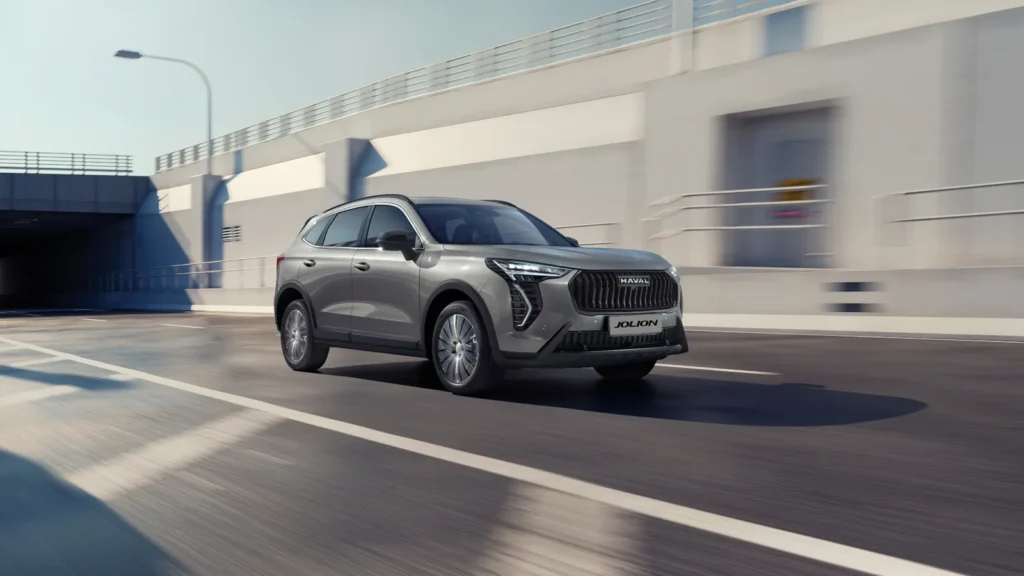
Modern Chinese cars often offer equipment comparable to their European counterparts at a more accessible price. It is worth noting that “accessible” does not always mean “cheap” here – but a wider choice does let buyers manage their budget far more flexibly.
A good example is the new Chinese cars in Georgia, which became available once GWM opened its official representation here. The current line-up covers city-oriented SUVs, capable off-roaders and pickups built for hard work.
The equipment and capabilities of these models are in no way inferior to those of European manufacturers – and sometimes exceed them. And, most interestingly, European drivers have noticed this themselves.
In 2021, Chinese carmakers held less than 1% of the European market. Today they hold 10%. According to Bloomberg, in May 2026 every tenth car sold was from a Chinese brand. That figure is especially striking given that interest in American and Korean cars declined over the same period. Growth is fastest in the electric and hybrid segments, where Chinese cars now account for 15%.
And yet, five years ago European buyers were about as sceptical of Chinese manufacturing as they could be. What caused such a rapid shift in attitude?
What drove the rise in popularity of Chinese cars?
For the average buyer, the decisive factor is mostly the balance between price, quality and technical capability. European scepticism towards Chinese cars was largely shaped by misconceptions, particularly around safety and durability. Chinese manufacturers spent millions of euros on information campaigns and marketing to change that perception.
In the post-COVID period a kind of “perfect storm” formed: easier access to information and economic change convinced a growing share of European buyers to give Chinese cars a chance. The hard part was rolling the first snowball. An avalanche followed.
According to the research currently available, three reasons played the most visible role in the growing popularity of Chinese cars:
The right balance of the modern buyer’s priorities
As noted above, today’s driver weighs several aspects before buying a car. The model has to fit the budget, carry minimal running costs, use fuel efficiently, and so on.
It is also worth remembering that some buyers consider a car economical even when they pay relatively more, provided they get better equipment for that money. This is why the prices of economical cars are best assessed together with their specification. In Deloitte’s 2026 Global Automotive Consumer Study, 54% of British respondents named a car’s efficient operation, including fuel economy, as one of the most important factors in choosing a brand. For comparison, price was the decisive factor for 52%.
Interestingly, the growing popularity of SUVs matches this same demand. JATO Dynamics’ analysis of the 2024 European market found that almost 54% of new car registrations were SUVs, especially compact and small ones.
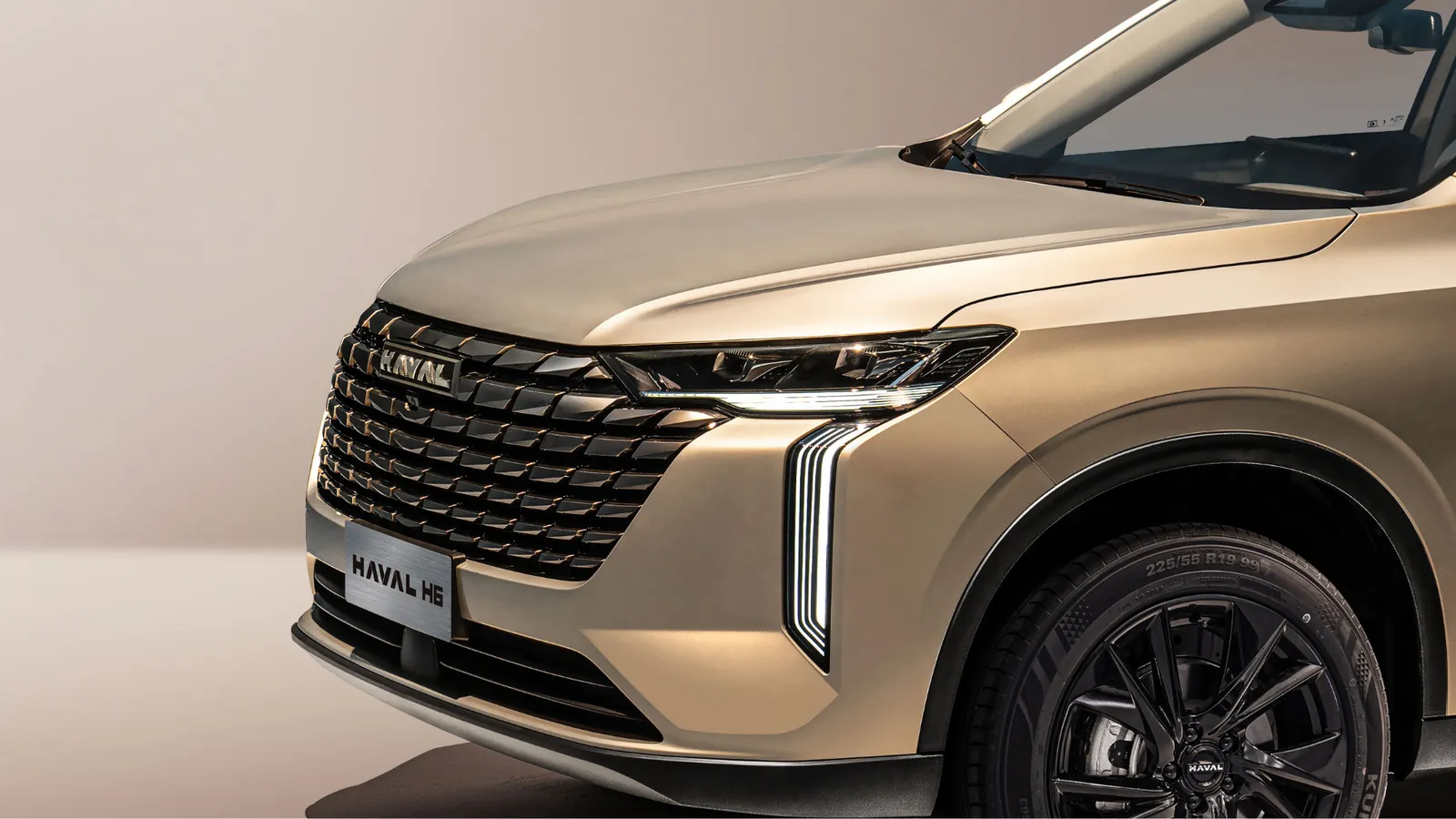
In other words, the most popular vehicle type among average buyers is a durable, roomy but economical SUV. GWM’s HAVAL Jolion is a good example. The Jolion is a family SUV designed above all to move through city streets as comfortably as possible. Today it is considered a benchmark economical Chinese car among drivers who do not want a sedan and specifically want an SUV, but pay close attention to fuel costs.
It should also be said that a car which is popular and, in theory, meets all your needs may still not be the ideal choice. In the GWM catalogue you can look in detail at how much Chinese SUVs cost and pick the options – whether a model or a trim level – that suit your budget.
Brand loyalty is down. The role of a car’s technical capability is up
The most notable change revealed by the research is the declining importance of the brand itself.
According to Deloitte’s 2026 global study mentioned above, only 39% of British drivers had bought a car from the same brand they previously owned. Among Asian buyers, brand loyalty is even lower – 67% of respondents in Singapore planned to switch brands when they needed to replace their car, and among South-East Asian buyers that figure was 70%.
According to Boston Consulting Group’s November 2025 study, interest in Chinese brands specifically is rising in parallel with declining loyalty to particular brands. Between 10% and 20% of European respondents show a willingness to buy a Chinese car – a higher figure than current sales, which points to growth potential ahead. In Latin America this willingness is higher still: 36% of Brazilian respondents said they would buy a Chinese car.
To a large extent, falling brand loyalty is driven by the declining importance of status. Owning a car of a particular brand always signalled a certain status, and for many buyers that mattered. Today, against a backdrop of global change – including the integration of AI and shifts in the oil market – more practical considerations have moved to the front. Put simply, in the eyes of a growing number of buyers buying a Chinese pickup is now a better deal than buying, say, a Ford, which in this segment is equated with high status.
Growing interest in electric and hybrid cars
Technological innovation is exactly this kind of practical consideration. Classic combustion cars remain the dominant segment, but the share of electric and hybrid models is growing noticeably. For example, according to the European Automobile Manufacturers’ Association (ACEA), the share of hybrids in new car registrations in the EU rose from 25.8% in 2023 to 37.3% in the first half of 2026.
Chinese carmakers turned out to be especially well positioned for this shift in the market. Many Western brands struggle to popularise their hybrid and electric models because buyers associate them with specific existing models. Chinese brands carry no such history. Most enter Western markets as a tabula rasa – a blank page on which it is far easier to write a new story than to rewrite an old one.
Put more simply, buyer expectations of economical Chinese SUVs are being formed right now. They are not predetermined by the manufacturer’s brand history.
According to China Passenger Car Association statistics, the number of hybrids exported to Europe between July and October 2024 tripled compared with the same period in 2023, exceeding 65,000. In the first quarter of 2024, hybrids made up 9% of Chinese car exports; by the third quarter that had risen to 18%.
Growth was especially rapid from 2025 to 2026. According to JATO Dynamics, Chinese brands accounted for 6.1% of the European HEV market in January 2025. Dataforce data put that figure at 9.8% in August of the same year, and it reached 16% by February 2026. In other words, the share of Chinese brands in the European hybrid market grew roughly 2.6 times in 13 months.
Choosing a quality, economical SUV does not mean compromising on comfort
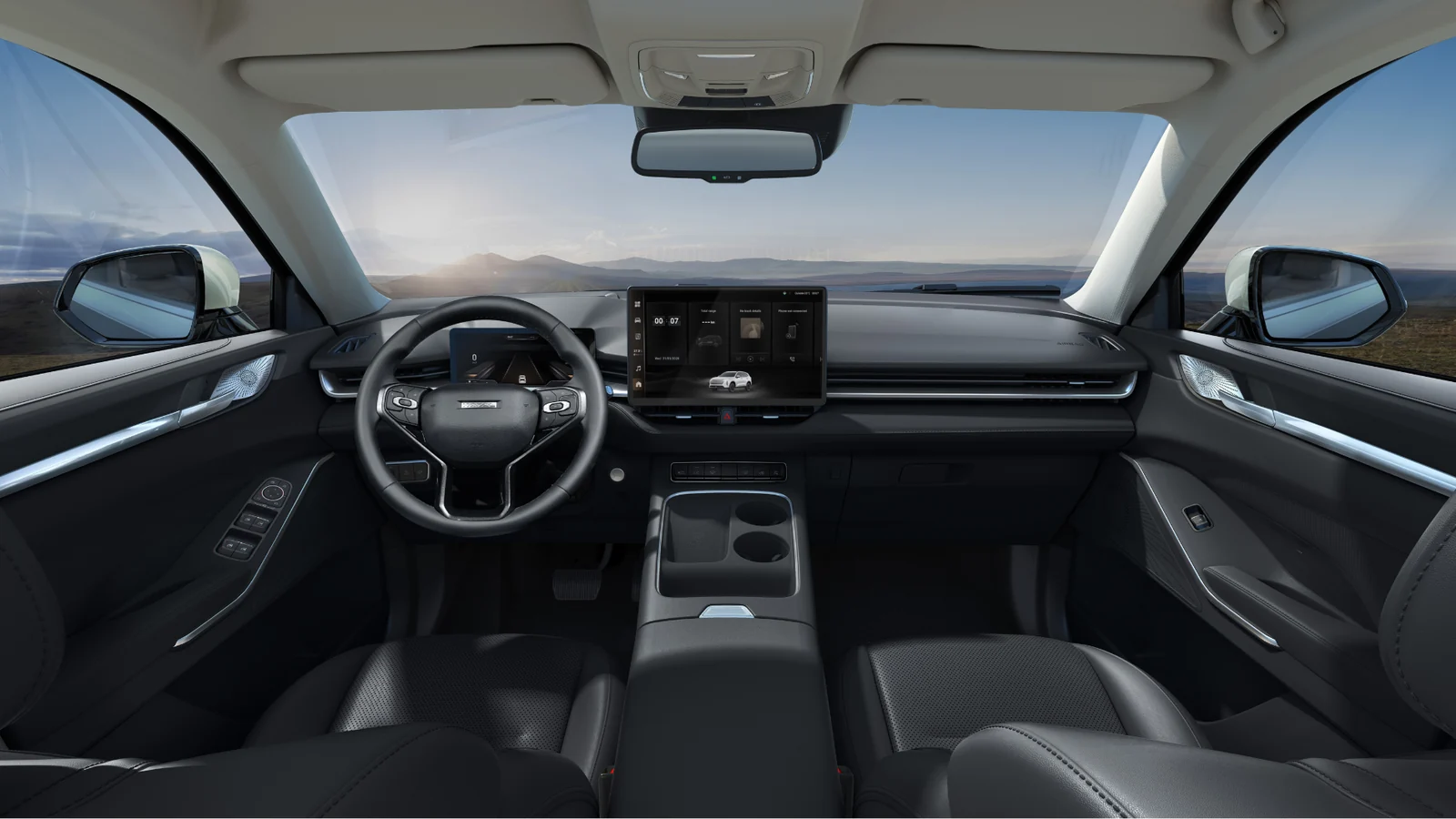
Today the official Great Wall Motors representative in Georgia offers customers HAVAL, TANK and POER models.
Beyond paying the full amount upfront, GWM Georgia also offers instalments, leasing, Trade-In and BuyBack programmes. Buyers can make a sensible choice and purchase a car using whichever payment method suits them best. And to be sure that the HAVAL Jolion – or any other model in the GWM catalogue – really will be a good investment, it is essential to book a test drive and try the car in practice.
Growing interest in economical Chinese cars comes from several practical reasons: higher fuel prices, higher customer standards, the rising importance of safety systems, warranty packages, flexible payment options at purchase, and so on. For today’s buyer, the economical car is not the one with the lowest price, but the one bought at a relatively favourable price that consumes fewer resources to maintain over the years.


