

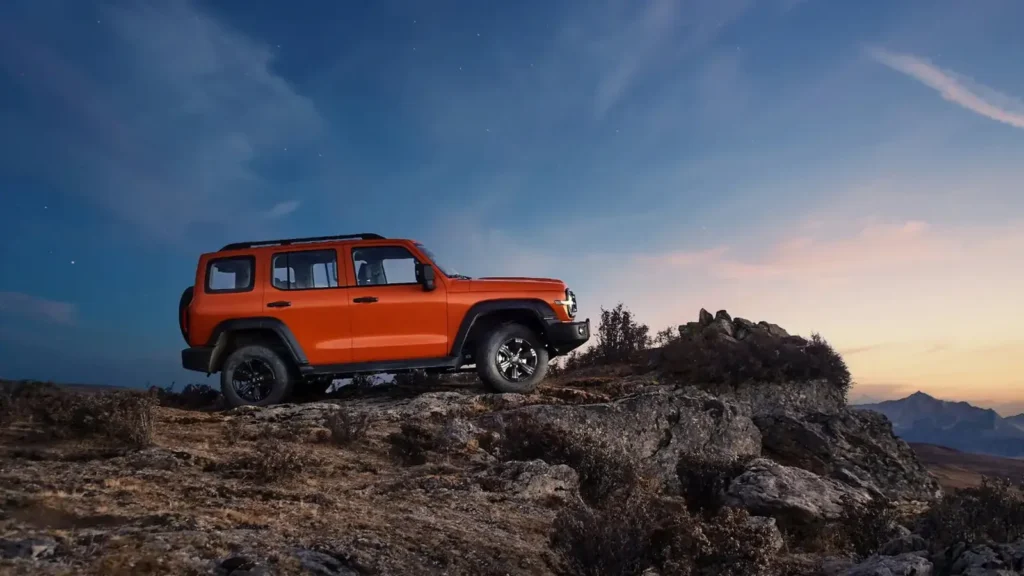
More and more drivers today are looking for a “durable car”, yet struggle to explain exactly what they mean by it. Drivers often decide for themselves what the standard of a durable car is: a big engine, high speed, a massive body or even a 4×4 system. Yet a powerful car does not automatically mean a durable one. High horsepower, for example, is a good indicator of acceleration and speed, but it tells us nothing about how much load the car can bear, what terrain it can handle, or whether it is designed for many years of use.
There is currently no single universal international standard for assessing a car’s durability. Experienced drivers know, however, that a car’s quality and durability can be judged more or less objectively on the basis of specific measurable characteristics and their combination.
In this blog post we look at these figures in detail. With this information you will be able to assess a car’s durability on your own, including in the case of gwm.ge models.
What does a “durable car” really mean?
A “powerful”, “durable”, “reliable” and “high-quality” car are not one and the same concept. Power first of all describes the engine’s capability; quality describes the materials used in construction, the handling and the technology, and so on.
Durability means first and foremost that the car is fully ready for the load and the environment that its description promises. How durable a car is today is judged by a whole set of criteria: payload, towing, the match between engine and transmission, off-road capability, safety technology, the results of independent safety tests, and so on.
Interestingly, although there is no single standard as such, basic benchmarks have nevertheless taken shape in the growing export market. For example, how durable Chinese cars are is measured by international indicators, just like German, American or Japanese production. A car reaches the international market only after fully meeting these standards.
What payload and towing capacity should a durable car be designed for?
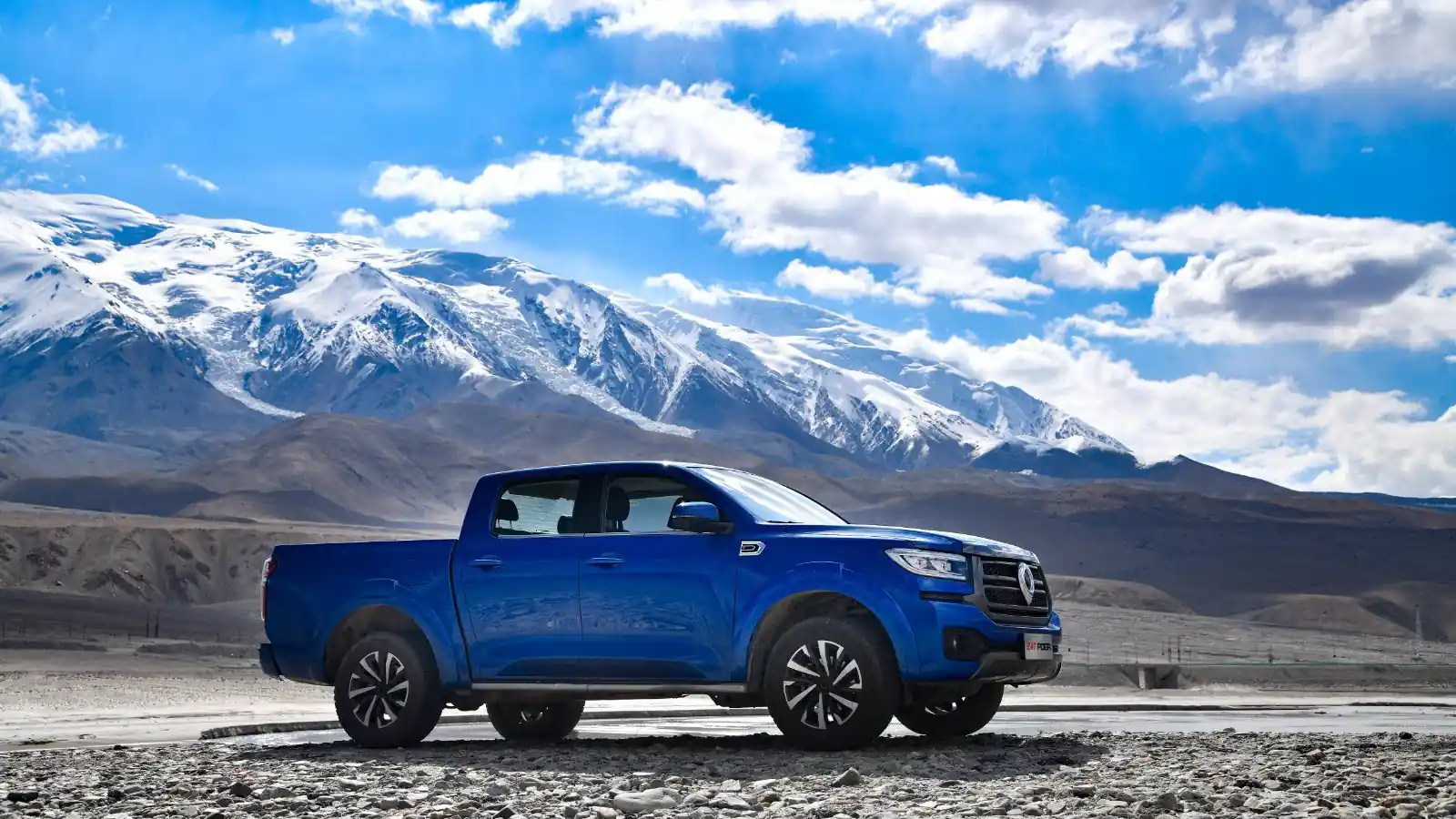
There is no minimum payload that would automatically give a car “durable” status. But based on the market situation we can more or less define an average benchmark. In modern 4×4 pickups, for example, a payload of around 1 tonne and a towing capacity of 3+ tonnes are considered a good indicator.
These figures are not judged on the engine alone. The SAE International J2807 methodology ties towing capacity to the performance of the vehicle as a whole. Acceleration, hill climbing, handling and other loads are taken into account. A high towing capacity therefore means that not only the engine but also the transmission, brakes, cooling and structure reliably withstand the load.
The POER in the GWM line-up is a good, realistic example of these standards. This modern Chinese pickup offers a payload of up to around 1,050 kg and a towing capacity of 3,000 kg. At the same time the model uses a 4WD system and develops 400 Nm of torque. These figures tell us far more about working capability than a car’s large size or impressive looks.
Engine and transmission: what minimum figures should a durable car have?
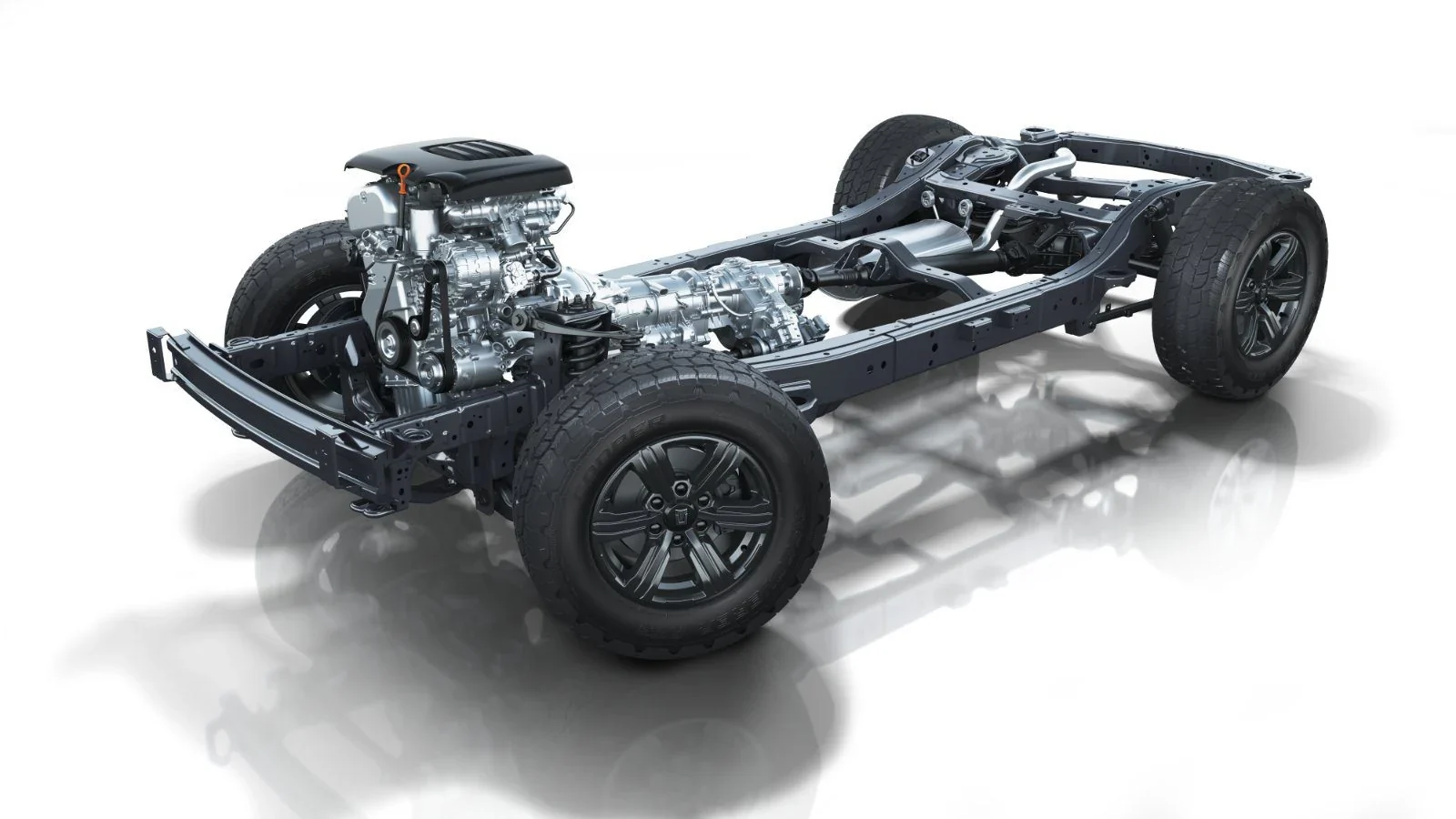
Horsepower matters, but it is not a direct measure of durability. In heavy SUVs and pickups torque is especially important. Torque determines how forcefully the car can turn its wheels. It defines how easily the car pulls away from a standstill and how readily it overcomes obstacles (for example when climbing a hill or driving on difficult terrain).
In modern high-clearance 4×4 models the average optimal torque is considered to be 350–400 newton-metres, although there is no official “durability minimum” here either. It also matters at what revs the torque is reached, how well the gearbox is matched to it, and how the drivetrain transfers power to the wheels.
In difficult driving conditions, systems that distribute power effectively under low grip are important. A good example of such a car is GWM’s Tank 300. The standard petrol model develops 380 Nm of torque and uses an 8-speed automatic gearbox. The hybrid version has almost twice as much torque (648 Nm) and uses a 9-speed hybrid automatic transmission. In both cases the car has a four-wheel-drive system, electronic front and rear differential locks and Crawl Control.
What minimum capabilities should a durable car have on difficult terrain?
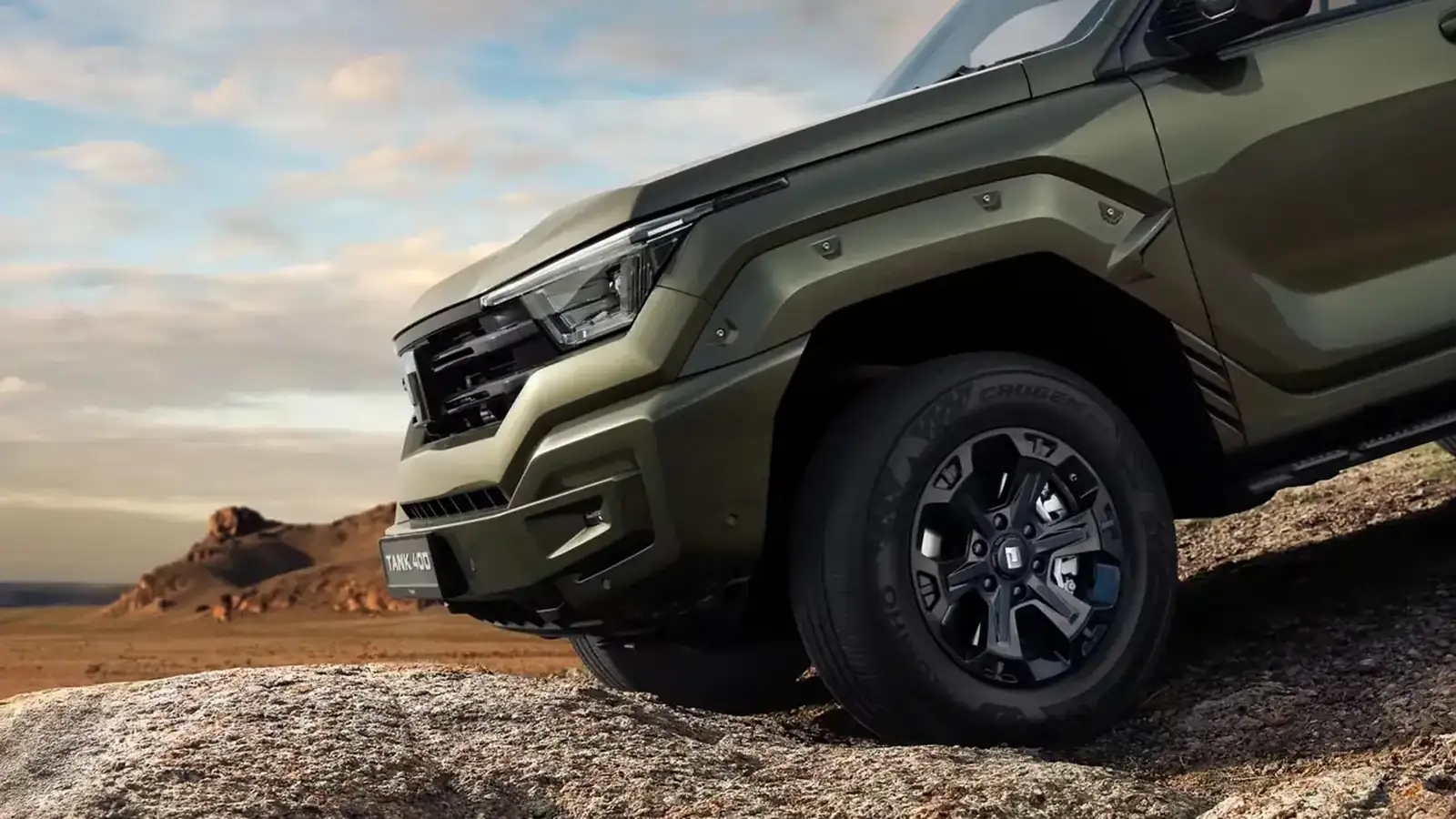
How capable a car is off-road is judged by a fairly long list: ground clearance (the distance between the car’s lowest point and the road), the car’s geometry, differential control, low-speed driving modes, underbody protection and even wading depth.
For high-clearance SUVs and pickups, ground clearance of around 220+ mm is considered the optimal average. Such a gap is usually enough to keep the underbody from touching the road surface, including on uneven terrain.
The approach and departure angles and the so-called breakover angle should also be considered. The latter shows how high a ridge the car can cross without its middle section touching the surface.
It is worth noting that modern hybrid models are already quite close to the classic ones. For example, the TANK 400 PHEV has 235 mm of ground clearance. The model can wade through water up to 800 mm deep. It is also equipped with front and rear differential locks and Crawl Control. If you are looking for a durable, high-quality car with modern systems and economical fuel consumption, see GWM’s hybrid models here. There is a good chance one of them will fully match your requirements.
How is a car’s safety assessed in independent tests?
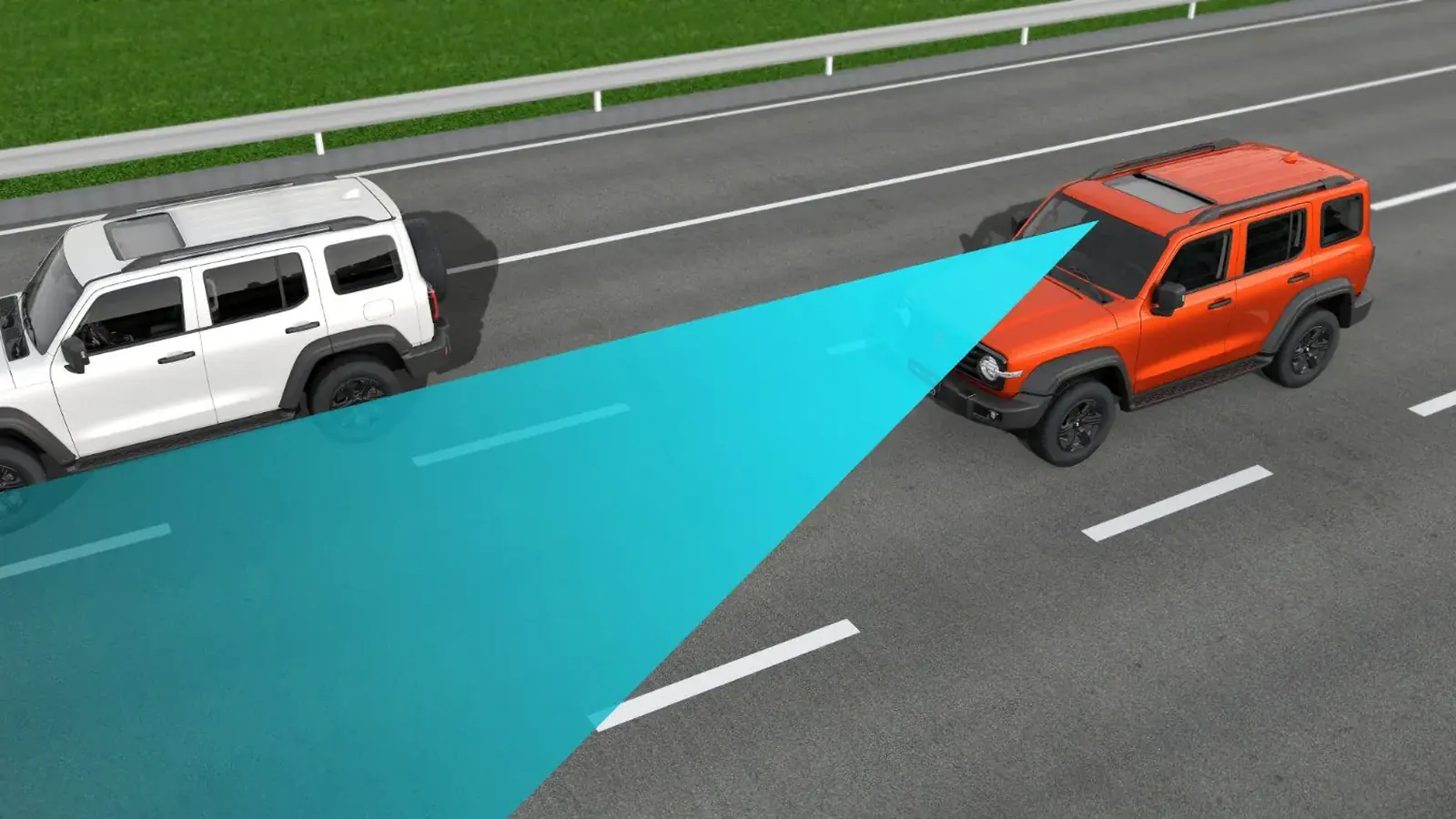
A solid structure is no longer enough to judge how high-quality a car is. What matters today is how much the car reduces the chance of an accident and how well the occupants are protected in a collision. One of the most trusted indicators in this respect is an independent Euro NCAP or ANCAP rating.
In these systems a maximum 5-star result means that the car has exceeded the threshold set by that year’s protocol in several areas. For example, the GWM TANK 300’s ANCAP rating is 5 stars: adult occupant protection was rated at 88%, child occupant protection at 89%, vulnerable road user protection at 81% and Safety Assist at 85%.
What technology should a high-quality car be equipped with?
A modern car already contains dozens of electronic systems, including cameras, sensors, multimedia and driver-assistance systems. Mechanical soundness alone no longer tells us anything about a car’s reliability if we do not have full information about its electronic functions.
The importance of assistance systems was clearly shown by the J.D. Power 2026 U.S. Vehicle Dependability Study. The study assessed vehicle reliability as comprehensively as possible, looking at engine and transmission performance as well as the condition of multimedia systems, driver-assistance functions, screens, controls, climate systems and other components after three years of ownership. According to the study, the industry average in 2026 was 204 problems per 100 vehicles. The most problems were recorded with multimedia systems – 56.7 per 100 vehicles. This shows clearly that how “durable” a modern car is should be judged not only from the mechanical side, but also by the stability of its electronic and software systems.
Assessing GWM’s durable cars
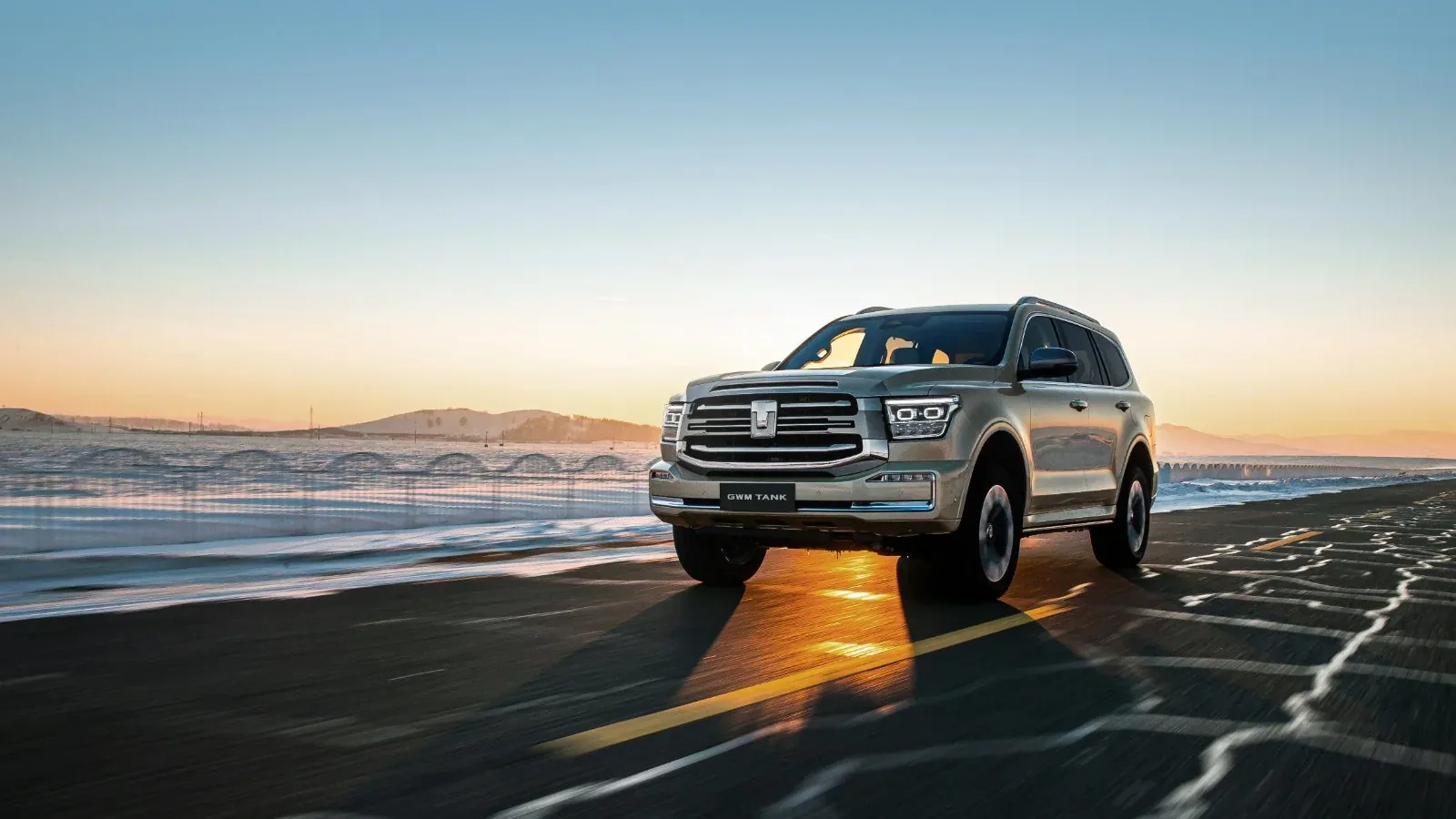
POER
- Load
- Up to 1,050 kg payload, 3,000 kg towing, 400 Nm
- Difficult terrain
- 4WD, 227–232 mm ground clearance
- Safety systems
- ACC, FCW, AEB, LDW, LKA, ELK, blind-spot monitoring, lane change assist, 360° view system, etc.
TANK 300
- Load
- 380 Nm petrol / 648 Nm hybrid
- Difficult terrain
- 224 mm ground clearance, differential locks, Crawl Control
- Safety systems
- ACC, AEB, FCW, LDW, LKA, LCK, ELK, traffic sign recognition, hill start assist and hill descent control, 360° view system, etc.
TANK 400 PHEV
- Load
- 750 Nm
- Difficult terrain
- 235 mm ground clearance, wading depth up to 800 mm, differential locks
- Safety systems
- ACC+, LKA, Highway Assist, Traffic Jam Assist, AEB with pedestrian detection, LDW, blind-spot monitoring, etc.
TANK 500
- Load
- 4WD, ICE and hybrid versions
- Difficult terrain
- Up to 224 mm ground clearance, Crawl Mode, multi-terrain modes
- Safety systems
- ACC, ICA, TJA, LDW, LKA, LCK, ELK, Smart Dodge, FCW, AEB, lane change assist, traffic sign recognition, 360° view system, etc.
If you want to choose a durable Chinese car, you can study each model’s technical specifications in detail on our website. You can also visit the showroom, talk to a GWM representative and book a test drive to try your chosen model on the road.
Since there is no single standardised system, the most practical approach to assessing a car’s durability is to compare five key characteristics: payload, engine and transmission performance, trouble-free driving on difficult terrain, the reliability of the electronic systems, and whether the specific trim has been evaluated in an independent test.


