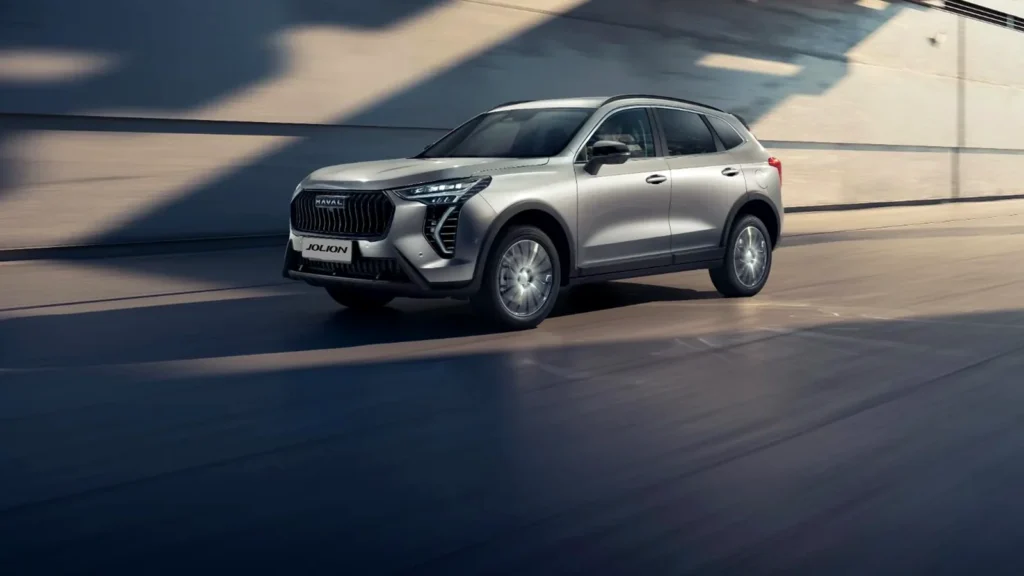
A crossover is a vehicle built on a passenger-car platform, usually with a relatively tall body and seating position. It is often chosen for everyday city driving and family trips. However, a taller car is not automatically roomier or better on rough roads. When choosing, what matters most is how its size, space and technical specifications fit your route, the number of passengers and your budget.
What Is the Difference Between a Crossover and an SUV?
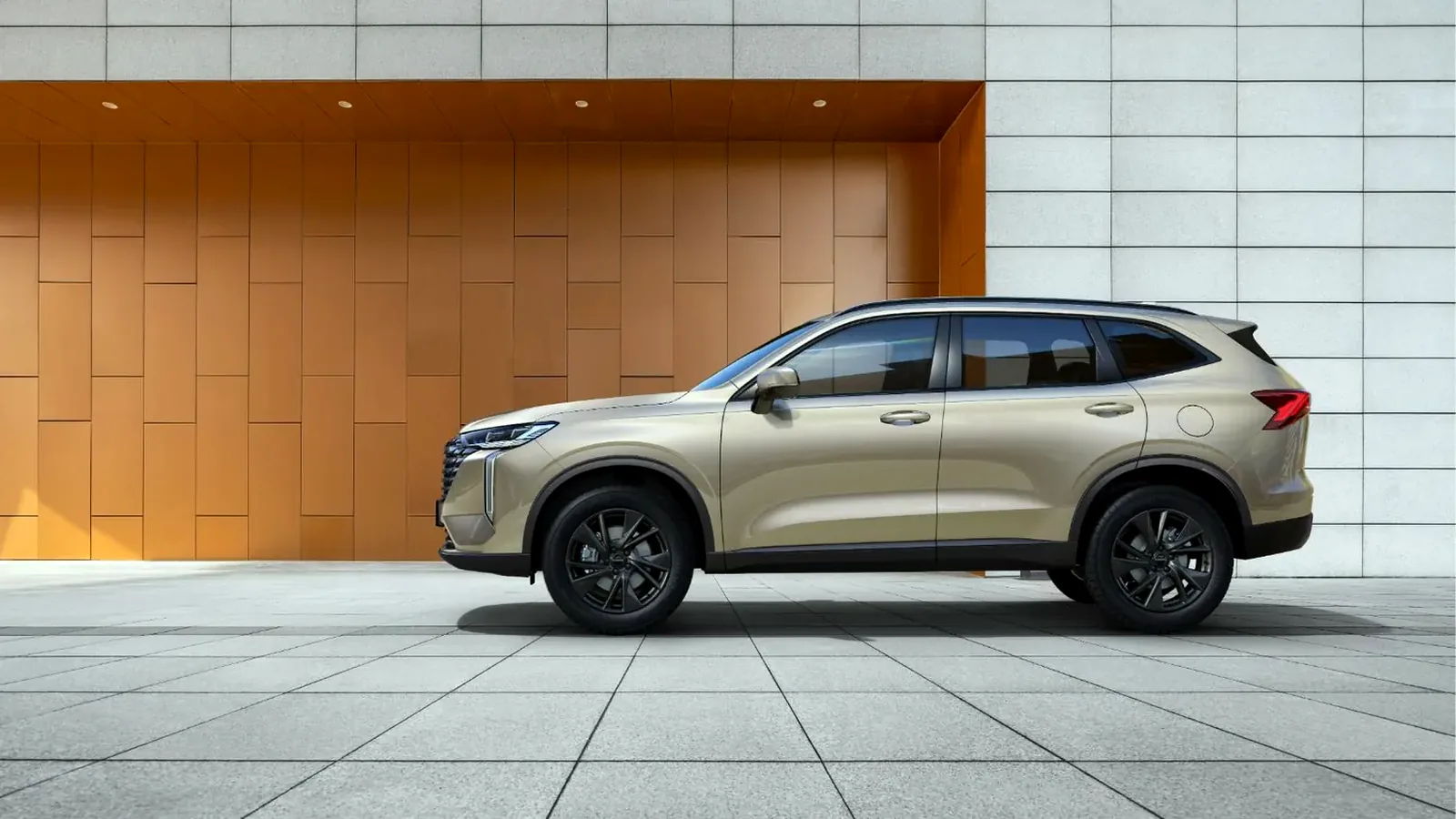
A crossover typically has a unibody (a construction in which the vehicle’s body itself carries the load). In a traditional body-on-frame SUV, by contrast, the body is mounted on a separate rigid frame. Unibody construction is often associated with relatively low weight and car-like handling.
SUV is a broader term, and manufacturers use it for crossovers as well. That is why the “crossover or SUV” split is not always accurate.
It is also worth understanding ground clearance (the distance from the road surface to the lowest part of the vehicle) and the drivetrain (the system that sends engine power to the driven wheels). High ground clearance will help on a potholed stretch, but it does not mean four driven wheels. On serious off-road terrain, tyres, body geometry and underbody protection matter too. Driving on asphalt outside the city and crossing deep mud place different demands on a car.
How to Assess Space and Everyday Practicality
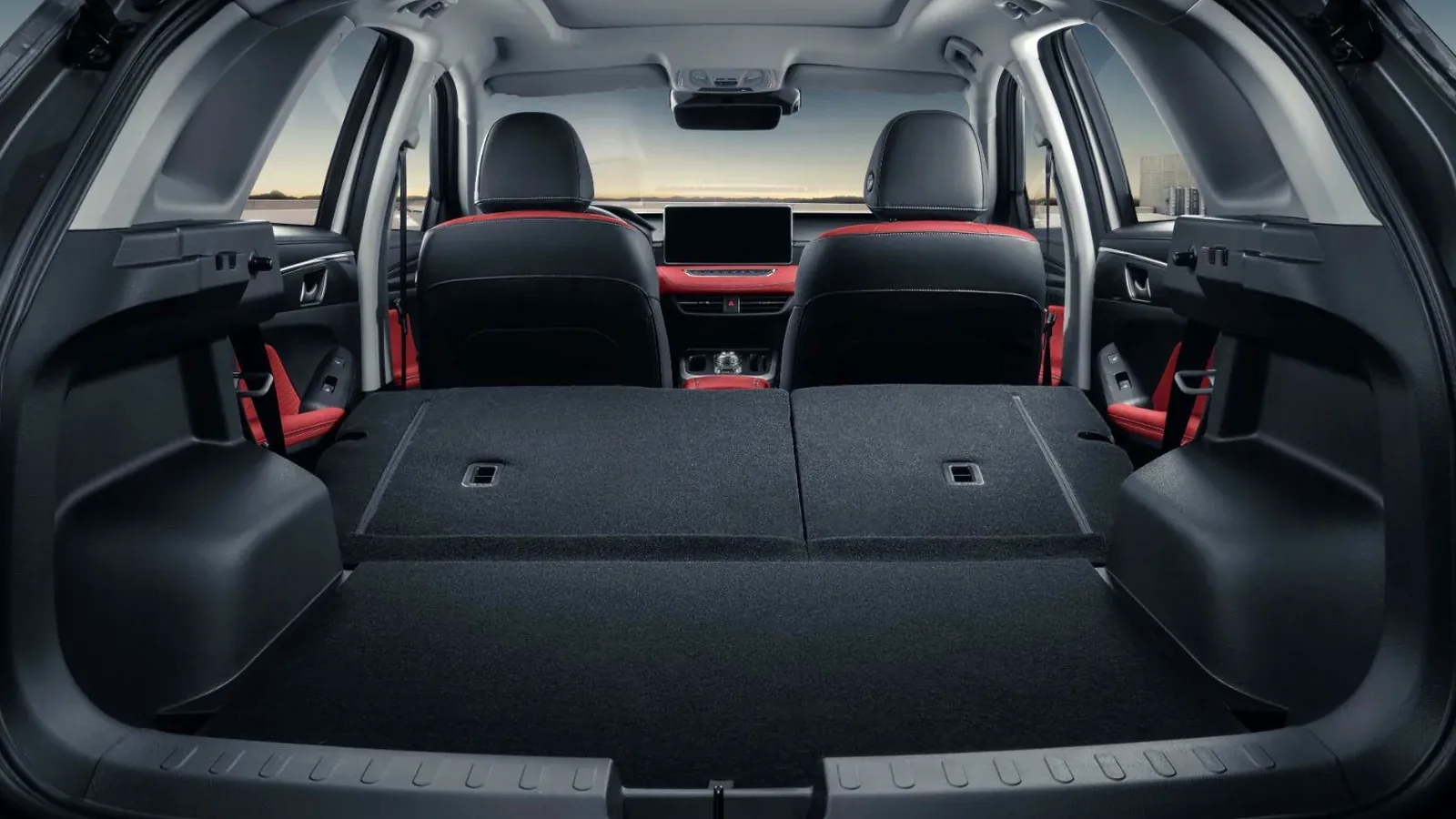
Let’s imagine two buyers. The first parks in a narrow yard every day and mostly drives alone. For them, width, the space needed to turn and visibility deserve particular attention. The second has two children and often carries a stroller. In their case, how wide the rear door opens and the shape of the boot decide more than the exterior dimensions.
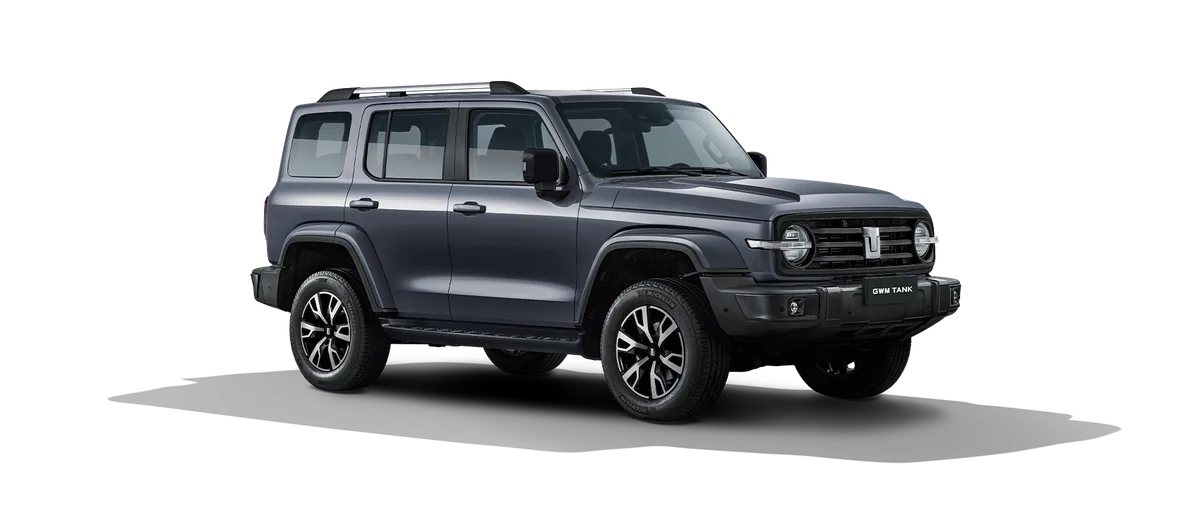
The GWM car showroom in Tbilisi is the place to assess such differences in person. For example, fitting a stroller into the boot shows how usable the space is better than a figure given in litres alone. A high loading lip means lifting a heavy bag higher, and the volume measured with the seats folded is no longer available when every passenger is on board.
After looking around the cabin, book a test drive and assess the car in conditions familiar to you. A few actions are enough for a quick check:
- adjust the driver’s seat and then sit behind it;
- try fitting a child seat and your everyday luggage;
- in a safe place, check reverse parking and the camera image;
- on an uneven stretch, pay attention to vibration, noise and brake response.
In addition, compared with a sedan, a higher seating position makes getting in easier for some people, though this varies with your height and the shape of the seat. Visibility is not determined by height alone either: a thick pillar beside the windscreen can block part of the view in a corner.
What Determines the Price of a Crossover?
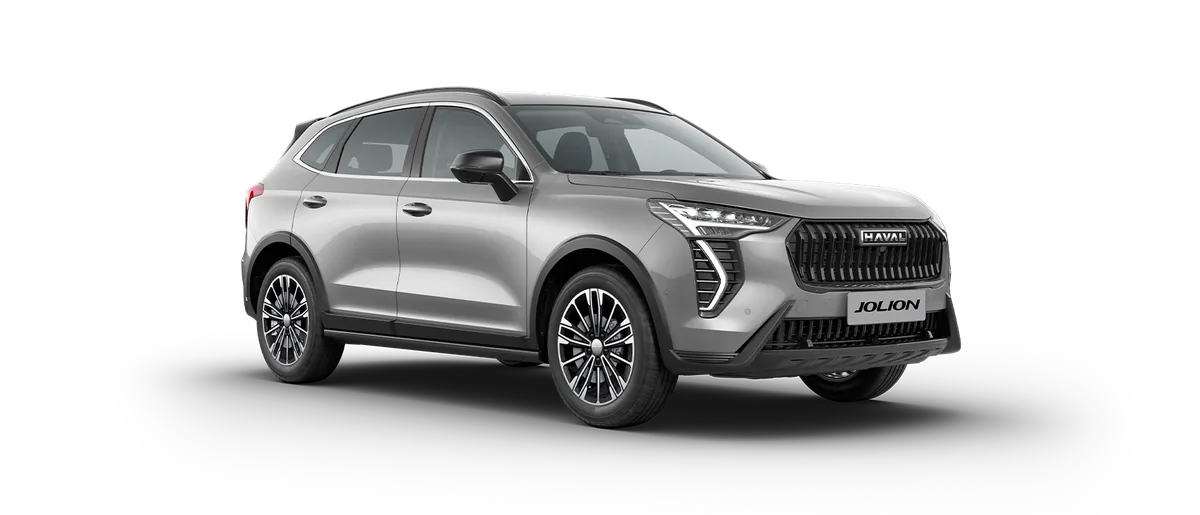
If you are interested in a new Chinese car, GWM’s HAVAL Jolion is an example for a concrete comparison. The official Georgian page lists petrol 2WD and 4WD versions, that is, with two and four driven wheels. This difference affects both use and price, although four driven wheels are not essential for every buyer.
As of 27 October 2026, gwm.ge lists these Jolion versions at 53,774 and 59,490 GEL respectively. The difference is 5,716 GEL, but it cannot be attributed entirely to the drivetrain: the trim level (the set of equipment of a specific version) has to be compared as well. Simply keep in mind that the final price should be confirmed when ordering.
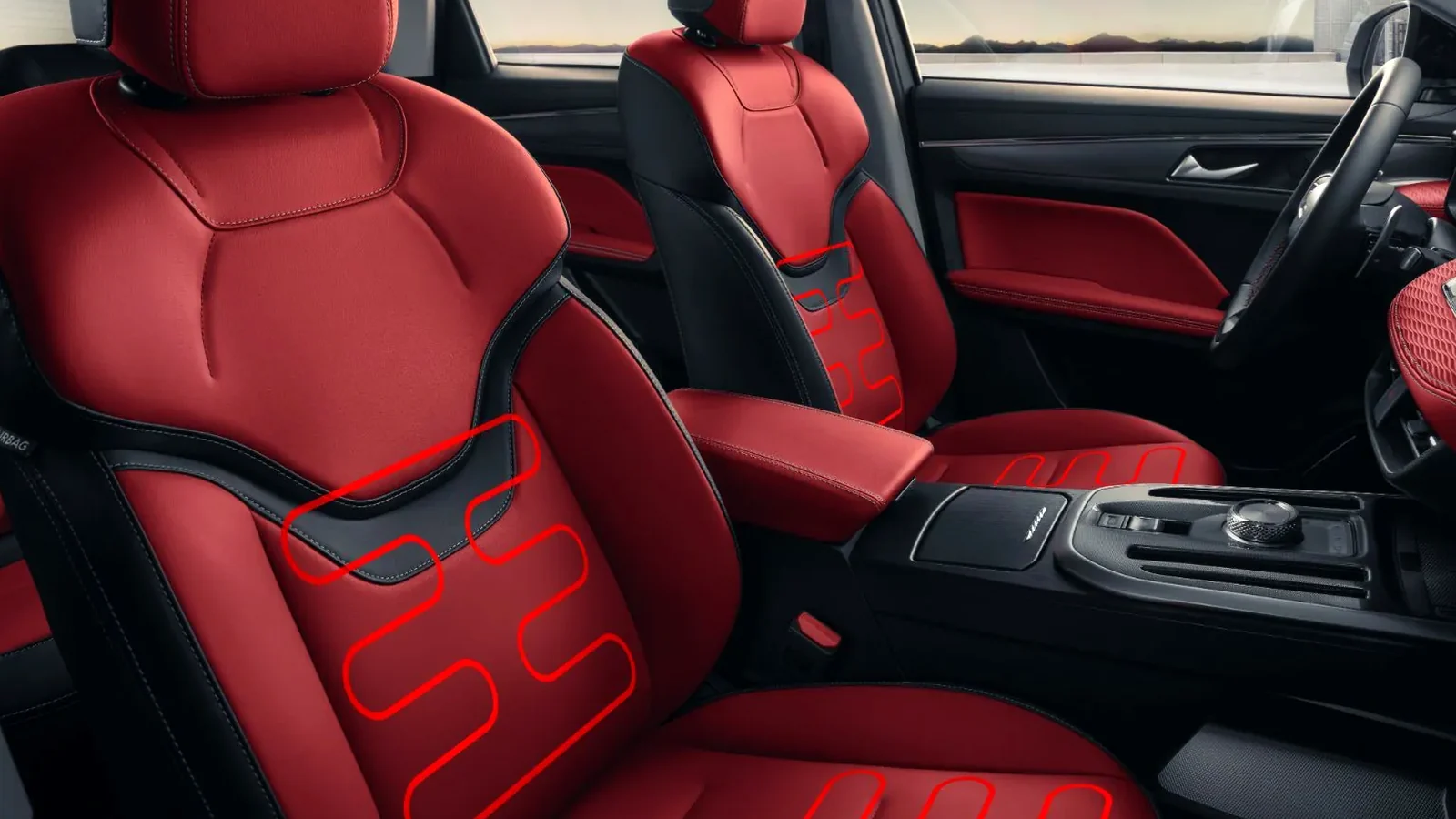
When comparing trim levels, the purpose of the extra features counts for more than their number. A rear camera helps you see the space when parking, while seat heating serves a different kind of convenience. So judge the money paid for a more expensive version by how often you will use each feature. The presence of a desired feature in the equipment list does not yet show you how conveniently it works in practice.
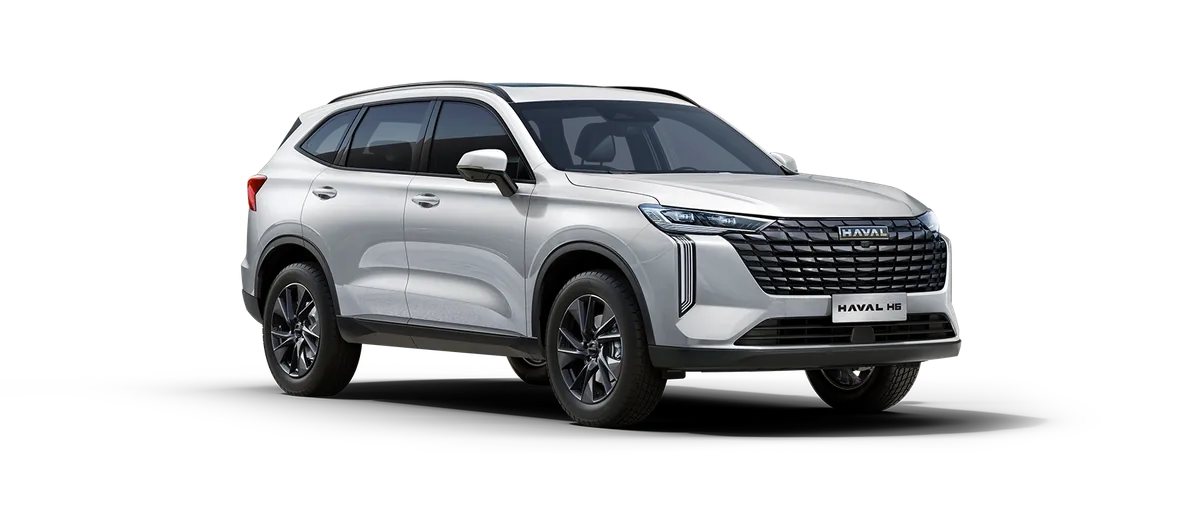
Within the equipment, safety deserves separate attention. In the independent ANCAP assessment of 2022, the HAVAL H6 received five stars. However, it should also be taken into account that the rating applies to the Australian and New Zealand markets, covers the corresponding petrol, hybrid and plug-in hybrid versions, and should not be automatically attributed to a car sold in Georgia. The production period and safety systems need to be compared.
Hybrid or Petrol Engine Only?
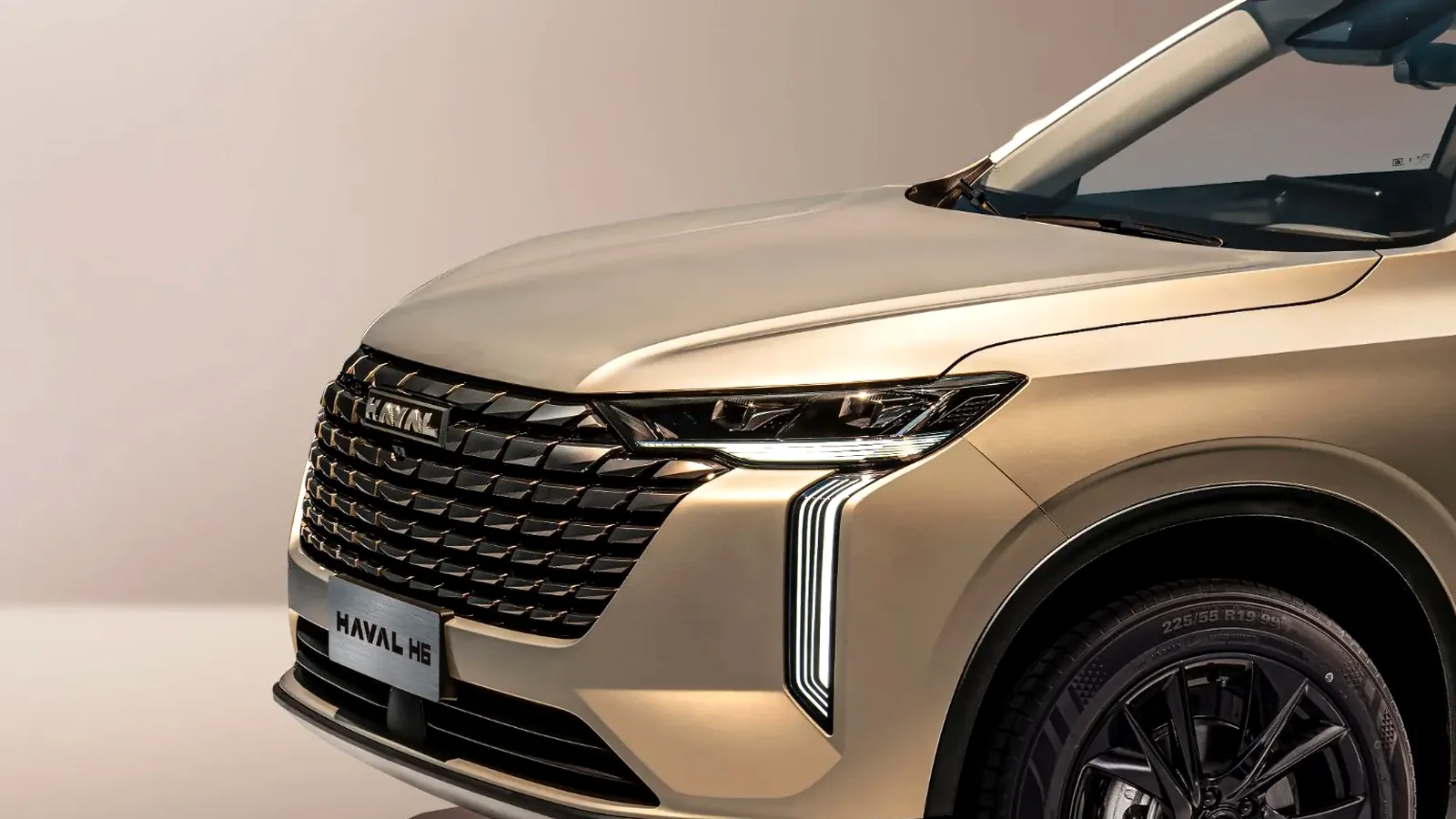
Hybrid models use an internal combustion engine (an engine that runs by burning fuel) and an electric motor. In GWM’s Georgian line-up, the HAVAL H6 HEV has a 1.5-litre engine and does not need external charging. When braking, the system returns part of the energy to the battery, which is especially useful with frequent stops in the city.
Internal-combustion-only models, in turn, run on a petrol engine. With low annual mileage, their relatively lower starting price can be important. Recovering the extra money paid for a hybrid depends on real fuel savings and the distance covered. In both cases, consumption changes with the driving mode, load and driving habits.
How Much Will It Cost You to Keep a Car?
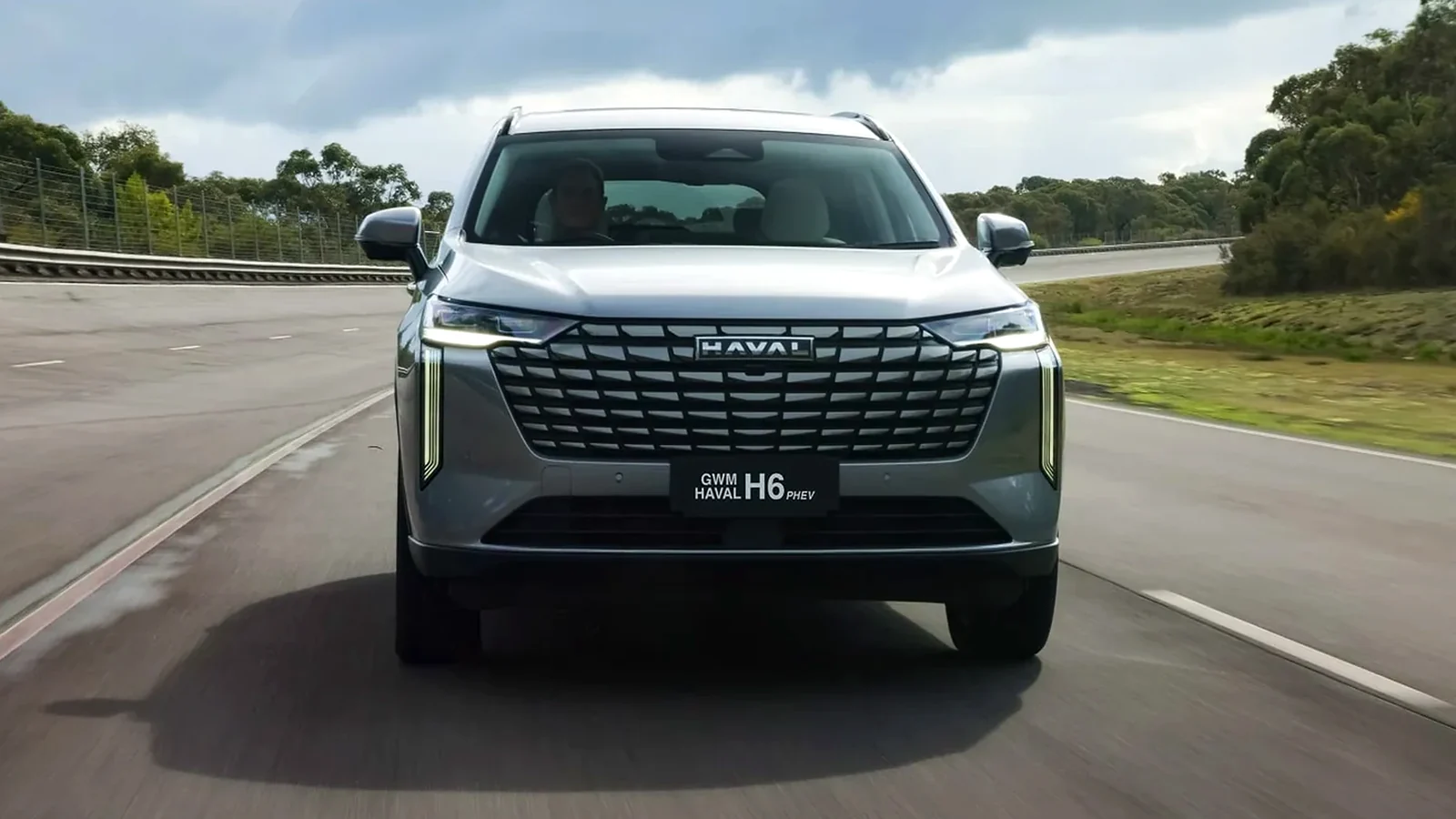
Besides fuel, the budget also includes scheduled maintenance, insurance and tyres. GWM’s car centre also offers online service booking. Finding out the service schedule and the prices of specific jobs before buying will let you plan a more accurate annual budget.
At the same time, compare economical cars under the same mileage and conditions of use. Hypothetically, at 15,000 kilometres a year, the difference between consumption of 8 and 6 litres per 100 km is 300 litres. If we take 3 GEL as a notional price per litre, the annual difference comes to 900 GEL. This is simply an example, not a saving promised for a specific model.
And finally, overall, before your visit write down three must-have requirements, for example, fitting a stroller, parking in the yard and the desired annual cost. Then assess the two selected trim levels against these same requirements and compare the written offers.