When choosing a car, everyone thinks about the price of the model, and most people already take fuel consumption into account as well. But many still give little thought to the costs that come after the purchase. Yet these are largely what decide how good an investment a particular model really is.
Some of these costs are daily, some we pay once a year, and some we only notice when we decide to sell the car. But to make a truly informed choice, we need to take all of them into account before we get behind the wheel.
According to a 2026 AAA study, driving a new car in the USA costs an average of $12,863 a year. This figure does not reflect Georgian reality, but it is a good illustration of the fact that the purchase price does not reflect the full cost of owning a car.
In this blog post, we look at the five main costs of keeping a car that you should definitely factor in when planning your budget.
Depreciation
This is one of the most obvious costs, yet one that people rarely take into account: no matter how well we look after a car, its resale value falls over time. This expense does not show up on a receipt or a bank notification, but it becomes noticeable over time – the older the car, the higher the cost of keeping it.
In 2026, iSeeCars studied data on more than 950,000 cars in the USA. According to the study, five-year-old cars lost an average of 41.8% of their original value, while hybrid models lost 35.4%. These figures relate to the American market and show how big an impact depreciation can have on the overall cost of owning a car.
Keep in mind, however, that on the used market a car’s value is also determined by mileage, technical condition and demand for the specific model. The better maintained the car, the more reliably its technical side works and the better its reputation among owners, the less its price drops on the used market.
How much does everyday driving cost?
Fuel is the cost most drivers prepare for – yet it can still be hard to calculate in advance. Fuel prices are volatile and often change under the influence of global events. Average costs are calculated from the expected annual mileage and the car’s average consumption, but this information is rarely enough. Traffic jams, hard acceleration, air conditioning, driving on difficult terrain – countless factors affect fuel consumption, and they are very hard to predict.
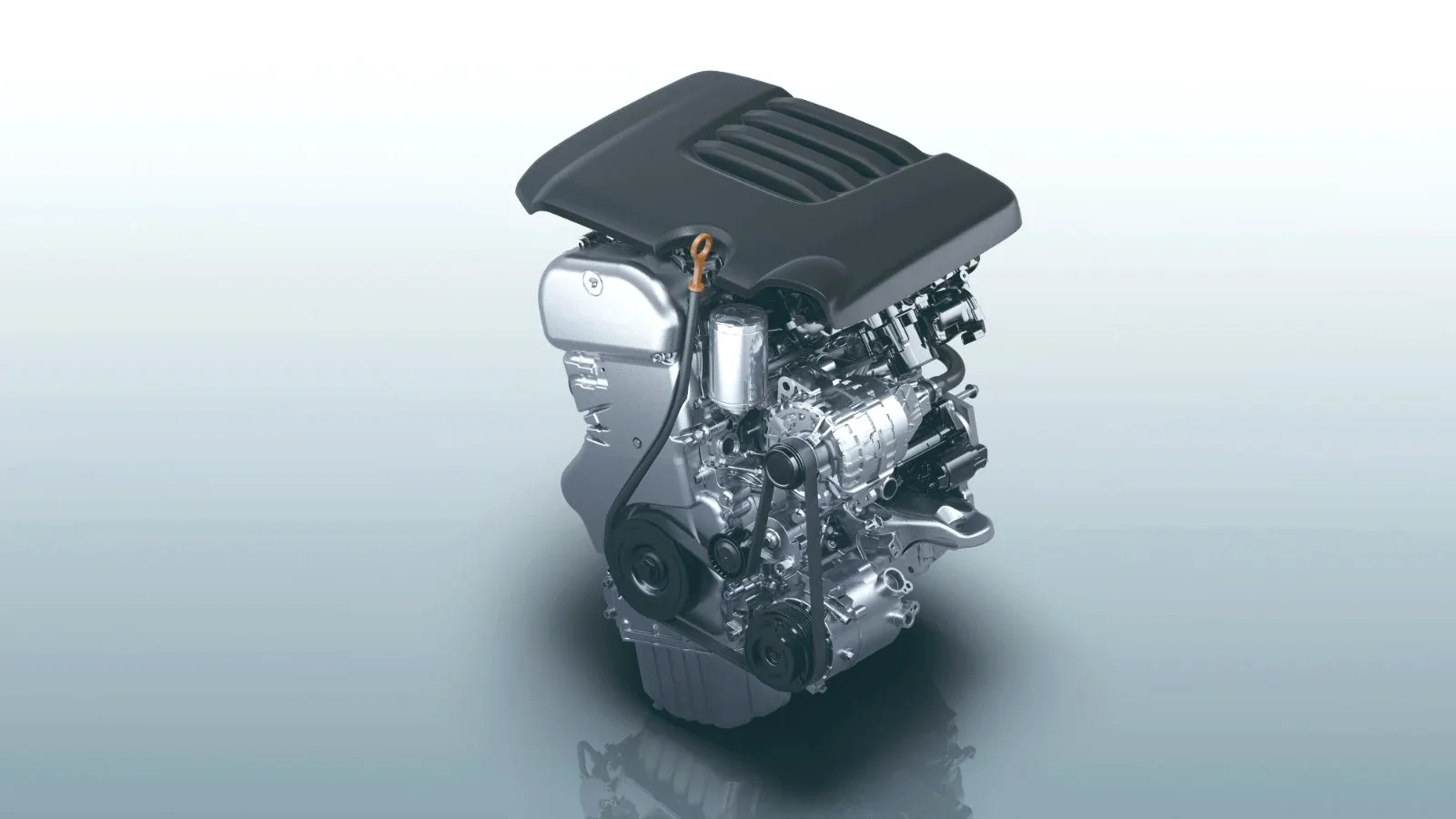
The difference also depends on the type of engine. An internal combustion car uses a petrol or diesel engine to move, while a hybrid model is also helped by an electric motor. When braking, a hybrid recovers part of the energy and stores it in the battery. Today, hybrids are a popular choice among those who want to buy the most economical car possible.
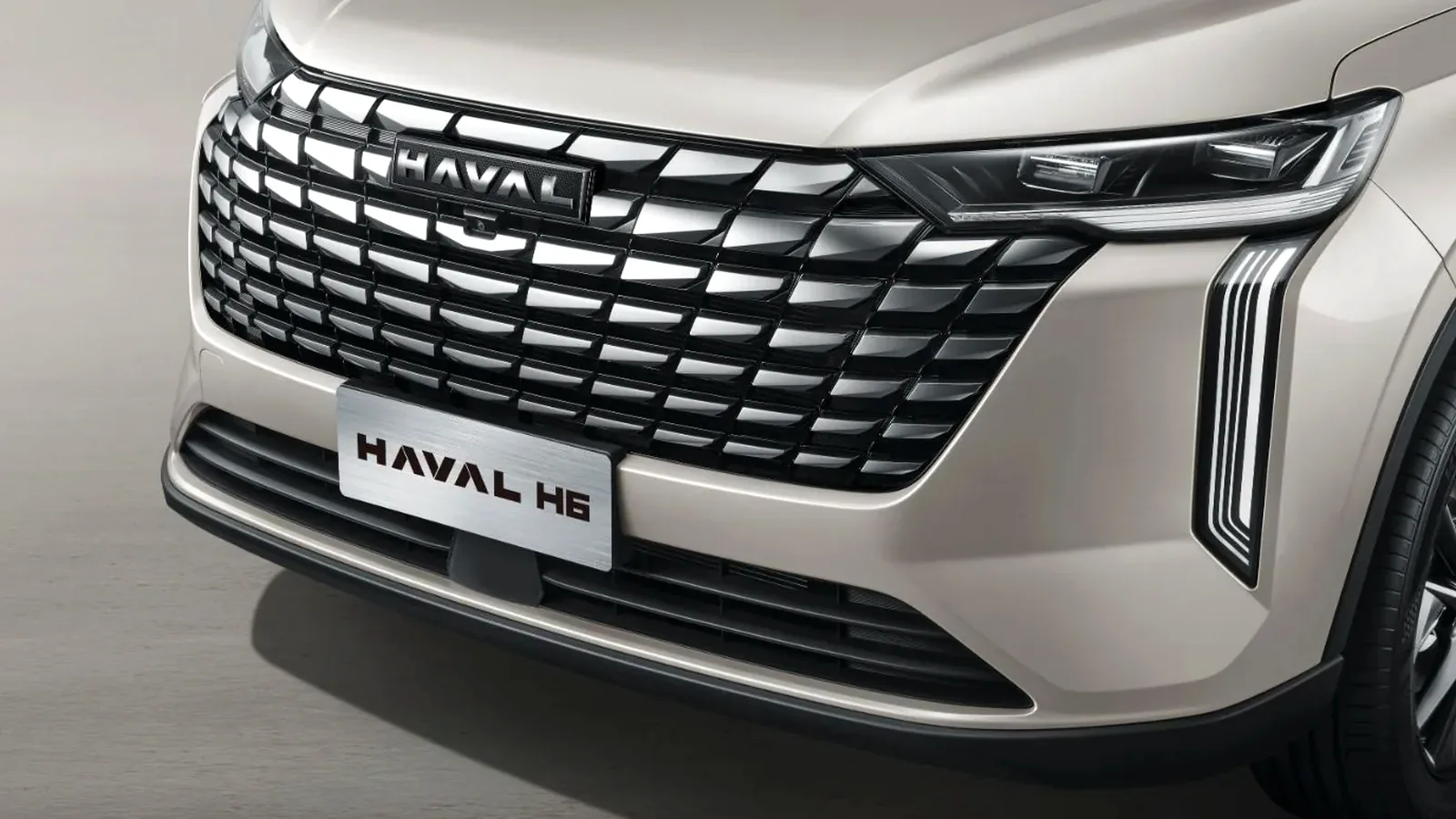
Here is a practical example of how economical a hybrid can be: both versions of the HAVAL H6 are currently available at gwm.ge. According to the manufacturer, the petrol model uses an average of 8.3 litres per 100 km and the hybrid 5.2 litres. If the car theoretically covers 15,000 km a year, the hybrid will need about 465 litres less fuel.
It is worth noting that a hybrid is not always more economical than a petrol engine. A hybrid SUV, for example, may burn more than a standard saloon. A comparison is only really meaningful between models of similar power. It is better to first choose the type of car that best suits your needs and only then pick a specific model. If you are interested, see GWM’s hybrid models here.
Servicing and repairs
Over time, a car needs oil and filter changes. On top of that come seasonal tyre changes and servicing of the brakes and suspension. And sometimes – unexpected repairs. A 2025 Consumer Reports survey showed that servicing and repair costs rise as a car gets older, especially after the warranty period ends.
After purchase, the recommendations for scheduled maintenance, service intervals and availability of spare parts differ significantly between European, Japanese and Chinese cars.
If the car needs repairs, having a local car centre makes a big difference to the potential costs. It usually offers genuine factory parts and authorised technical servicing. Otherwise, the cost of replacing parts usually goes up. What is more, an ordinary mechanic may not understand the specifics of a particular brand or model. Incorrect servicing can cause additional damage to the car and push its running costs even higher.
Insurance and technical inspection
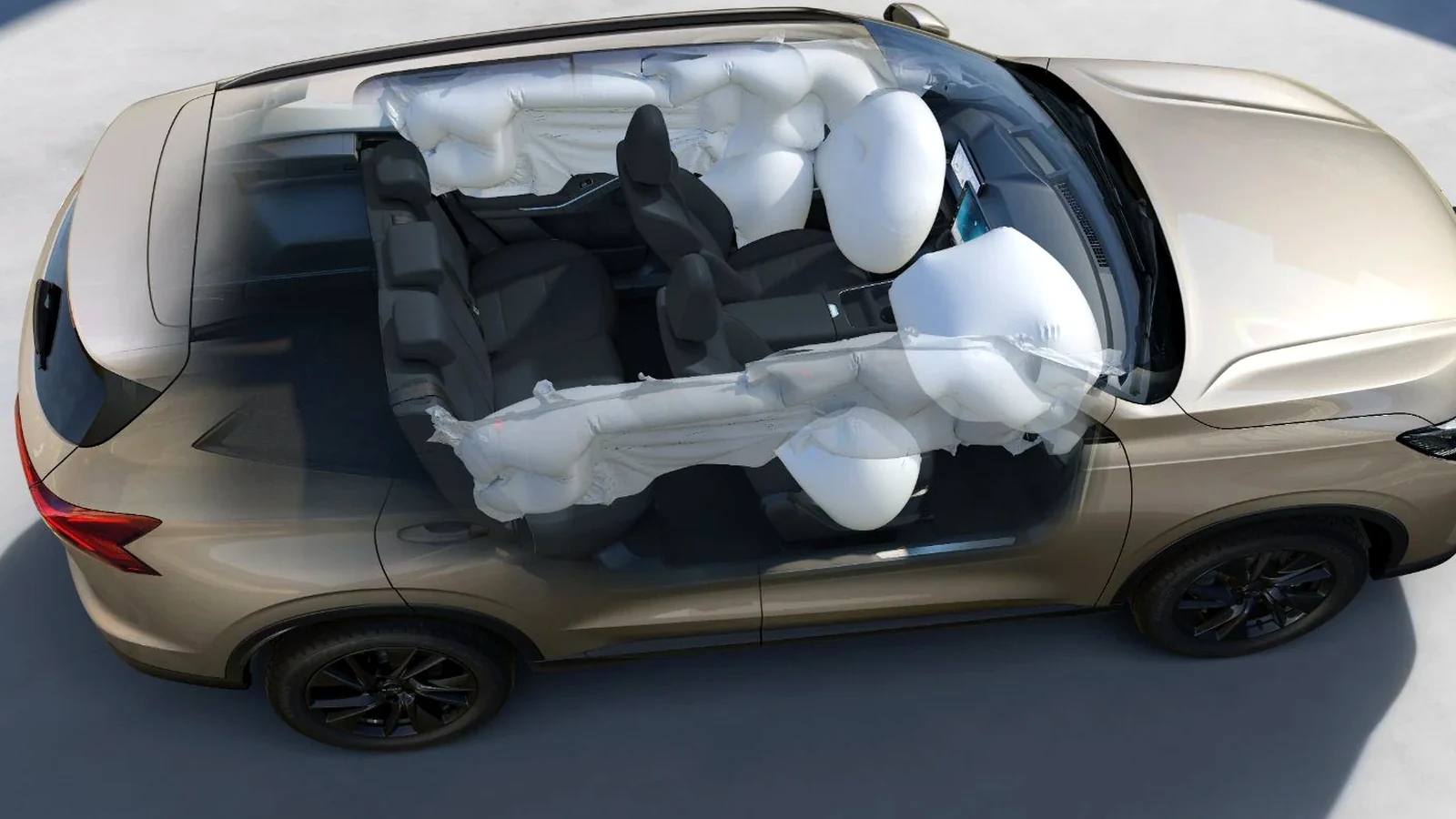
The cost of insurance depends on the value of the car and the terms of cover. According to the AAA study mentioned above, insurance is one of the biggest costs of owning a car in the USA. In Georgia, comprehensive (CASCO) insurance is voluntary, but if you buy a car on credit, it may be one of the conditions of the financing.
In reality, car insurance is a must. Economical cars are not so economical when the driver has to cover the full cost of a major repair after an accident. When choosing a policy, check what damage the insurance company will cover and how much you will have to pay yourself. If the contract includes an excess, you pay part of the damage yourself.
In Georgia, periodic technical inspection of a passenger car is mandatory four years after manufacture. Up to eight years, the inspection takes place once every two years, and annually after that. A technical inspection of a standard passenger car costs 60 GEL. However, if a fault is found during the inspection, fixing it and having the car re-inspected is an extra cost.
Parking fees and fines
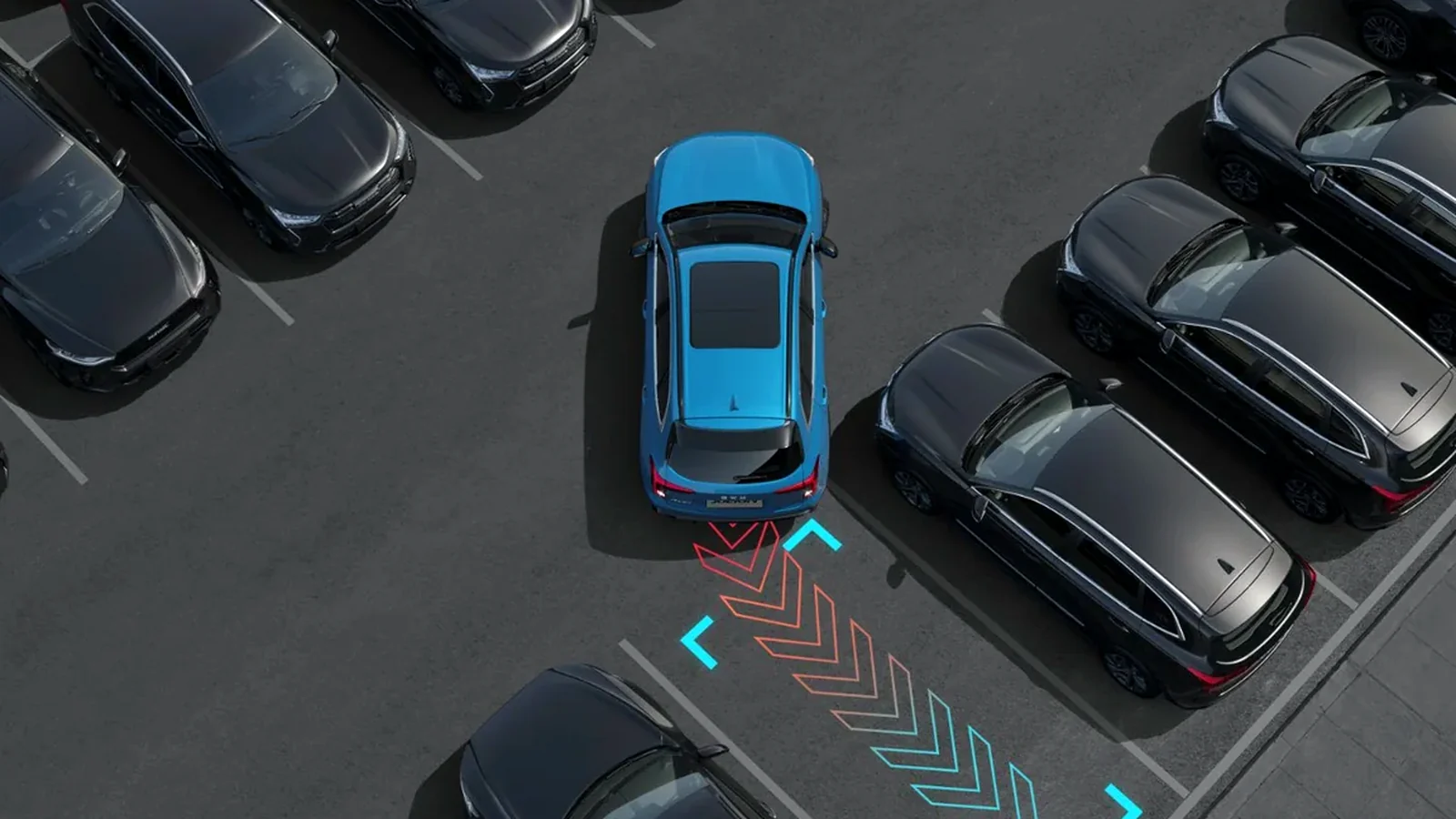
Parking is another regular cost of keeping a car, especially if you use it every day. In Tbilisi, an annual municipal parking permit costs 50 GEL, but it does not cover zone parking. Depending on the zone, one hour costs 1, 2 or 3 GEL. In private car parks, prices vary depending on location and how long you park.
Breaking parking rules can also become an additional expense. In Tbilisi, the fine for not paying for parking is 50 GEL, and for stopping illegally on a pavement or pedestrian crossing it is 100 GEL. In some cases, the car is also towed to an impound lot, which brings additional costs.